

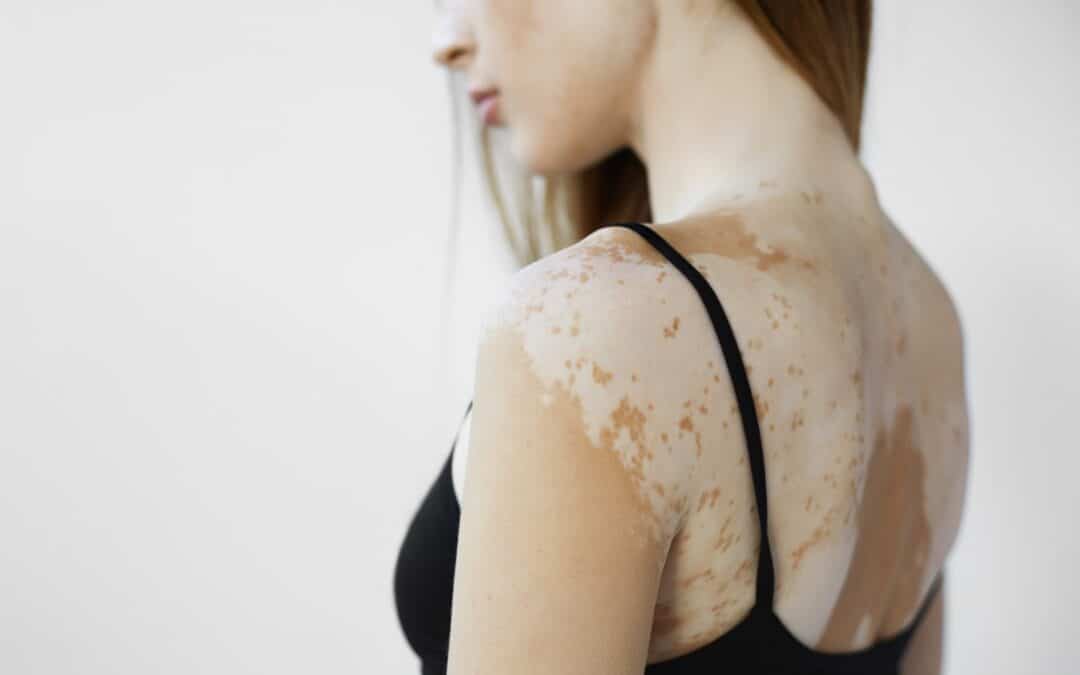
A patch of skin that just will not match the rest. That’s usually how it starts. Maybe it’s on the hand, maybe near the eyes, maybe somewhere you can hide with clothes and somewhere you really cannot. For a lot of people living with vitiligo, the medical side of things stops mattering after a while. What matters more is walking into a room without wondering if someone’s staring. That’s exactly where vitiligo camouflage treatment in Dubai has quietly become one of the more talked-about solutions this year, and honestly, it makes sense why.
This is not a piece about miracle cures. Vitiligo patch blending treatment, not yet anyway. But there is a real, tested way to blend those patches back into your natural skin tone without going near a scalpel. By the end of this, you will know how the treatment actually works, who it’s suited for, what results look like, and what questions to ask before you book anything.
What Exactly Is Vitiligo Camouflage?
Vitiligo camouflage is a form of paramedical micropigmentation. Custom-mixed pigment is deposited into the depigmented patch, matched carefully to the surrounding skin tone, so the area blends rather than stands out. It’s not a tattoo in the decorative sense. It’s closer to color correction, done with medical-grade tools and a trained eye for undertones.
The technique sits under a broader category sometimes called skin needling or paramedical tattooing, and it’s been used for years to treat scars and burns too. Applying it to vitiligo just requires more precision, because skin tone is not one flat color. It shifts with the season, with sun exposure, even slightly across a single limb.
Why Non Surgical Vitiligo Treatment in Dubai Is Gaining Ground
There’s a reason more people in the UAE are searching for non surgical vitiligo treatment Dubai clinics instead of jumping straight to light therapy or surgical grafting. Those older methods can take months, sometimes years, and results vary a lot depending on skin type and how the condition is progressing.
Camouflage treatment works differently. It does not try to regrow pigment cells. It simply recreates the missing color. That means results are visible almost immediately, and there’s no lengthy recovery hanging over your calendar.
A few reasons this approach has picked up momentum locally:
- Dubai’s climate makes sun-based therapies tricky, since UV exposure needs to be carefully managed anyway.
- Many residents want a discreet option, not a treatment that requires repeated hospital visits.
- Darker and Middle Eastern skin tones respond well to pigment matching when done by someone experienced with those undertones.
That last point matters more than people realize. A lot of clinics abroad are trained mostly on lighter skin. Getting the shade wrong on deeper tones is a real risk if the practitioner has not worked with a diverse client base.
How a Vitiligo Skin Camouflage Treatment Session Actually Works
Most people picture something painful when they hear pigmentation and needles in the same sentence. In practice, a numbing cream is applied first, and clients usually describe the sensation as mild scratching at most.
Here’s roughly what a session involves:
- A skin assessment to check tone, undertone, and how the patch has changed over time
- Pigment mixing, done in small test batches until the match looks right in natural light, not just clinic lighting
- Application in slow, layered passes rather than one heavy pass
- Aftercare guidance, usually around sun protection and avoiding harsh products for a short window
Full results build gradually over a few weeks as the skin settles. Most specialists recommend a follow-up session to fine-tune the blend once healing is complete.
Vitiligo Patch Blending Treatment: What Results Actually Look Like

This is where expectations need to stay grounded. Vitiligo skin camouflage treatment in Dubai gives a natural, matched appearance, not a guarantee that skin will look identical forever. Pigment softens gradually over a couple of years, same as it does with any paramedical tattooing. Touch-ups are part of the process, not a sign something went wrong.
What tends to surprise clients most is how natural it looks under different lighting. A well-matched patch on the hand or face can genuinely go unnoticed by people who do not already know it’s there. That’s the actual goal, not perfection, just enough blending that the patch stops being the first thing anyone sees.
Skin type also plays a role. Areas with thinner skin, like around the eyes, heal a bit differently than thicker areas like the arms or torso, so treatment plans usually get adjusted case by case rather than following one fixed protocol.
Choosing the Right Clinic
Not every aesthetic clinic in Dubai specializes in this. Some offer it as an add-on to a much longer treatment menu, which is not necessarily a red flag, but it’s worth asking how many vitiligo cases the practitioner has actually handled. Pigment matching is a skill built through repetition, not something picked up in a weekend course.
Worth checking before booking a vitiligo camouflage treatment Dubai clinic:
- DHA licensing and proper medical-grade pigments
- Before and after photos on skin tones similar to yours
- A patch test offered before full sessions begin
- Clear pricing after a proper consultation, not a flat online quote
Conclusion
Living with vitiligo is personal, and treatment should feel personal too. Camouflage is not about erasing the condition. It’s about giving people back a sense of ease in their own skin, without surgery, without long downtime, and without unrealistic promises. If you’re weighing your options, a proper consultation with a specialist who understands pigment matching on your exact skin tone is the best next step. Skin Camouflage in Dubai offers exactly that kind of tailored, DHA-licensed approach for anyone ready to explore it.
FAQs
Is vitiligo camouflage treatment permanent?
No, it’s semi-permanent. Pigment typically lasts a couple of years before it starts to soften, and occasional touch-ups keep the blend looking fresh.
Does vitiligo skin camouflage treatment in Dubai hurt?
Most clients describe mild discomfort at most, often compared to light scratching. Numbing cream is applied beforehand to keep sessions comfortable.
How many sessions does vitiligo patch blending treatment usually need?
It varies by patch size and skin type, but most people need one to three sessions, with a follow-up touch-up once the area has fully healed.
Can non-surgical vitiligo treatment in Dubai work on darker skin tones?
The right expertise. Pigment matching for deeper or Middle Eastern skin tones requires specific experience, so it’s worth confirming a clinic’s track record before booking.
What is vitiligo camouflage treatment and how does it work?
Vitiligo camouflage is a form of paramedical micropigmentation where custom-mixed pigment is deposited into depigmented patches, matched to surrounding skin so the area blends rather than stands out. It is closer to colour correction than a decorative tattoo. Skin Camouflage in Dubai applies it with medical-grade tools and undertone expertise.
Why are people choosing non-surgical vitiligo camouflage over grafting?
Non surgical vitiligo treatment in Dubai is gaining ground because light therapy and grafting can take months or years with variable results, while camouflage recreates missing colour almost immediately with no long recovery. The climate also complicates UV therapies. Skin Camouflage offers this discreet, faster alternative to residents.
What should you check before booking a vitiligo camouflage clinic?
Before booking, confirm DHA licensing, medical-grade pigments, before-and-after photos on skin tones similar to yours, a patch test and clear pricing after consultation. Ask how many vitiligo cases were handled. Skin Camouflage, a vitiligo camouflage clinic in the UAE, offers exactly this DHA-licensed, tailored approach.
What actually happens during a vitiligo camouflage session?
A session begins with a skin assessment of tone and undertone, then pigment mixing in small test batches checked in natural light, followed by slow layered application and aftercare guidance on sun protection. Skin Camouflage in Dubai builds results gradually, usually recommending a follow-up to fine-tune the blend.
How many sessions does vitiligo patch blending usually need?
Vitiligo patch blending varies by patch size and skin type, but most people need one to three sessions plus a follow-up touch-up once the area has fully healed. Thinner skin areas heal differently. Skin Camouflage in Dubai adjusts each plan case by case rather than following one fixed protocol.
Can vitiligo camouflage match darker or Middle Eastern skin tones?
Darker and Middle Eastern skin tones respond well to pigment matching when handled by someone experienced with those undertones, since getting the shade wrong on deeper tones is a genuine risk elsewhere. Skin Camouflage in Dubai works with a diverse client base, matching vitiligo patches accurately across skin types.