

A scar does not just sit on your skin. It sits in the back of your mind too, every time you catch it in the mirror or pick an outfit that hides it. That’s the honest starting point for anyone searching for scar camouflage treatment in Dubai, because most people who look into it are not chasing perfection. They just want to stop noticing the mark every single day.
This blog walks through what scar camouflage actually is, how it works, who it helps, and what to realistically expect if you’re thinking about booking a session in Dubai.
What Scar Camouflage Actually Means
Scar camouflage is a paramedical tattooing technique. How does that actually change the way a scar looks? A specialist deposits tiny amounts of skin-toned pigment into the scarred area, matching it as closely as possible to your natural tone. Over a few sessions, the scar softens visually. It doesn’t vanish in the surgical sense, but it stops pulling attention the way it used to.
This is different from laser resurfacing or microneedling, which try to physically change the scar tissue itself. Camouflage works more like color correction for your skin. Think of it as the difference between fixing a wall’s texture and simply repainting it to match the rest of the room.
Clinics offering this service usually call it medical scar camouflage or paramedical scar treatment, and in Dubai it’s become a fairly established category within aesthetic clinics, not some fringe treatment anymore.
Who Actually Needs This Treatment
People come to this for a lot of different reasons, and the range surprises most first-timers.
- Surgical scars from C-sections, appendectomies, or cosmetic procedures
- Acne scarring that’s left behind flat, discolored patches
- Burn marks and old injury scars
- Stretch marks, particularly older white ones that other treatments struggle with
- Post-mastectomy areas where skin tone has shifted
Not every scar is a good candidate, though. Which scars should hold off on treatment for now? Raised, keloid-type scars or very recent wounds usually need to heal and settle first before pigment work makes sense. A decent clinic will tell you this upfront during consultation rather than booking you in regardless.
How the Actual Process Works
Most paramedical scar treatment Dubai clinics follow a similar rhythm, even if the branding differs.
First comes a skin assessment. The specialist looks at your scar type, age, depth, and your natural undertone. This step matters more than people assume, because pigment that looks right in a bottle can still turn slightly off once it heals under your specific skin.
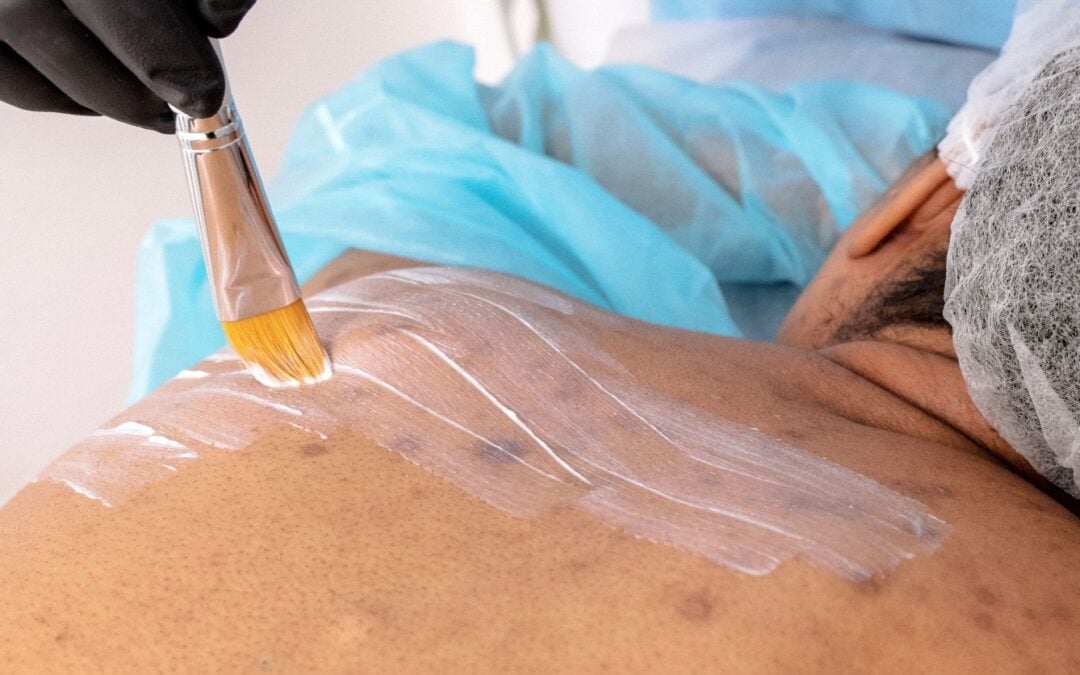
Then a patch test is usually done, sometimes with a numbing cream applied beforehand since the area can be a bit sensitive depending on where the scar sits.
The actual session involves a fine tool depositing pigment into the upper layers of skin, working in small passes to build up coverage gradually rather than all at once. Sessions typically run somewhere between 45 minutes and two hours, depending on scar size.
Healing takes about one to two weeks. There’s mild redness right after, occasionally some light peeling as the pigment settles, but nothing that stops you from going about your day.
Why Dubai Residents Are Searching for This More
Dubai’s climate plays a bigger role here than people expect. Sun exposure changes skin tone faster here than in cooler countries, which means scars that were once barely visible can suddenly stand out more against tanned skin. That mismatch is a common reason clients walk into a scar camouflage clinic Dubai residents already trust, often years after the original scar formed.
There’s also a cultural layer to it. A lot of clients here have tried multiple creams, oils, and home remedies first, and camouflage tends to be the option they turn to once they’ve decided they want a visible, lasting change rather than another product sitting in a drawer.
What Results Actually Look Like
Results depend heavily on scar depth and skin tone, so anyone promising identical outcomes for every client is stretching the truth a little. That said, most clients see a noticeable blend within one to two sessions, with the color settling further as it heals.
It’s worth saying clearly: this isn’t a one-and-done fix in most cases. Deeper or older scars usually need a touch-up month later once the initial pigment has settled and slightly faded, which is normal, not a sign anything went wrong.
Choosing the Right Clinic

A few things separate a solid clinic from one you should avoid. Licensing matters first. The Dubai Health Authority should regulate any clinic doing medical scar camouflage in Dubai, and it’s fair to ask for proof if it isn’t clearly stated.
Pigment matching skill is the second big factor. This is genuinely part art, part technique, and specialists who’ve worked across a wide range of skin tones, including deeper Middle Eastern and South Asian tones, tend to get more accurate, longer-lasting results. Real before-and-after photos, not stock images, are a small but telling sign of a clinic that’s confident in its own work.
Scar Camouflage vs Laser and Microneedling
People often assume all scar treatments do the same job, but they really don’t. Laser and microneedling work by triggering the skin to rebuild collagen underneath the scar, which can improve texture over months. Scar camouflage doesn’t touch texture much at all. It works on color instead, blending the tone so the scar visually disappears into the surrounding skin.
That’s actually why a lot of clients end up combining approaches. Someone with a slightly raised, discolored scar might do a round of microneedling first to soften the texture, then follow it with camouflage once the skin has settled, to handle the color mismatch that’s left behind. Neither treatment cancels the other out, they just solve different parts of the same problem.
Conclusion
Scar camouflage isn’t magic, and it isn’t meant to erase your history. It’s a practical, low-downtime way to soften something that’s bothered you for longer than it probably should have. If you’re weighing your options and want a clinic that specializes specifically in this rather than treating it as an afterthought, Skin Camouflage in Dubai is worth having that first consultation with.
Frequently Asked Questions
Is scar camouflage treatment permanent?
It’s semi-permanent. Pigment fades gradually over a few years depending on skin type, sun exposure, and aftercare, and most clients schedule a touch-up when they notice it softening.
Does scar camouflage hurt?
Most people describe it as mild scratching or tingling rather than sharp pain, and numbing cream is usually offered beforehand to keep discomfort minimal.
How many sessions does medical scar camouflage usually take?
Most scars need one to three sessions, though deeper or older marks sometimes require an additional touch-up a few months after healing.
Can scar camouflage work on darker skin tones?
The right specialist. Accurate pigment matching across a range of skin tones, including darker complexions, is one of the main skills that separates an experienced clinic from a newer one.
What does scar camouflage treatment actually mean?
Scar camouflage is a paramedical tattooing technique where a specialist deposits skin-toned pigment into the scarred area, matched closely to your natural tone so it softens visually over sessions. It works like colour correction rather than erasing tissue. Skin Camouflage in Dubai offers this as a dedicated speciality.
What happens step by step during a scar camouflage appointment?
Paramedical scar treatment in Dubai starts with a skin assessment of scar type, age, depth and undertone, followed by a patch test, often with numbing cream. A fine tool then deposits pigment in small passes to build coverage gradually. Skin Camouflage follows this measured rhythm for natural results.
Can scar camouflage match darker skin tones accurately?
Accurate pigment matching across a range of tones, including deeper Middle Eastern and South Asian complexions, is the main skill separating experienced clinics. Skin Camouflage delivers medical scar camouflage across the UAE for diverse skin tones, producing longer-lasting blends and avoiding the mismatch that can appear after healing.
Who is a suitable candidate for scar camouflage treatment?
Candidates include people with surgical scars from C-sections or cosmetic procedures, flat acne scarring, burn marks, older white stretch marks and post-mastectomy areas. Raised keloids or fresh wounds usually need to settle first. Skin Camouflage in Dubai assesses suitability honestly during consultation rather than booking everyone in regardless.
How does scar camouflage differ from laser and microneedling?
Laser and microneedling rebuild collagen to improve scar texture over months, while scar camouflage works on colour, blending tone so the mark disappears into surrounding skin. Many clients combine both. Skin Camouflage in Dubai often follows microneedling with pigment work once skin settles, solving texture and colour separately.
Does the scar camouflage procedure hurt during treatment?
Most people describe scar camouflage as mild scratching or tingling rather than sharp pain, and numbing cream is usually applied beforehand to keep discomfort minimal. Sensitivity varies by scar location. Clients at Skin Camouflage in Dubai report the process is far gentler than they expected going in.